We will take care off all your arrangements once you arrive in South Africa, Transport, Accommodation and Guides.
Self Drives will be supplied with all the information necessary to know what you can and will be doing along the way.
Based in Jeffreys Bay South Africa with 20 years of travel experience to the destinations we offer our guests.
Simple On-Line Bookings for your convenience. All our tours can be costomized to suit your needs and travel dates. Call or mail us for more information.
We are available in South Africa 24/7 for assistance. You can Call Anita 0722 377 422 when on tour whom can assist you in English, Dutch. German and French.
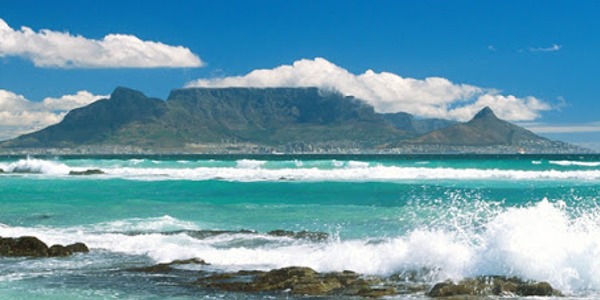
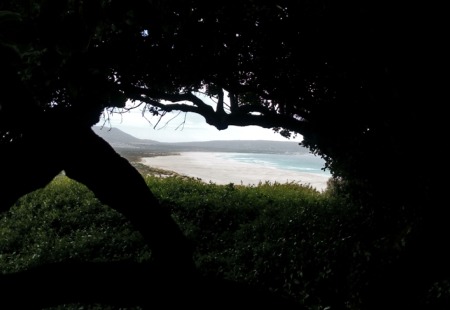
The Western Cape is one of the most popular travel destinations in South Africa preferred by foreign tourists as a gateway to South Africa.
Read More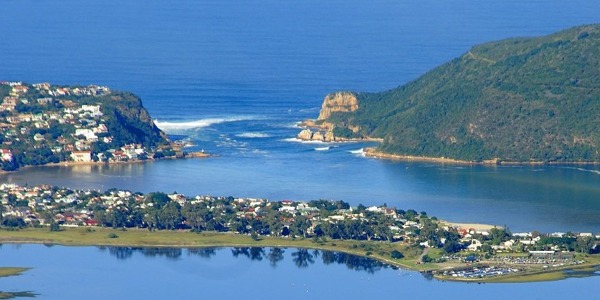
Truly a Garden with its ecologically diverse vegetation and the numerous estuaries and lakes along the coast.
Read More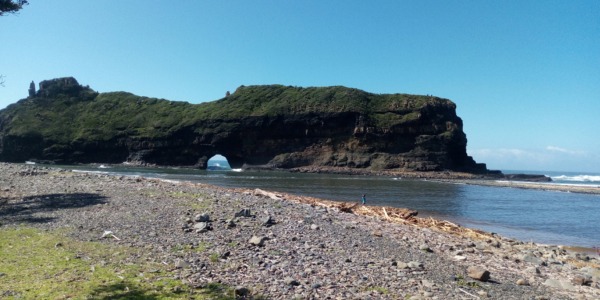
The scenic beauty of the Wild Coast, coupled with its rich cultural heritage, rustic destination.
Read More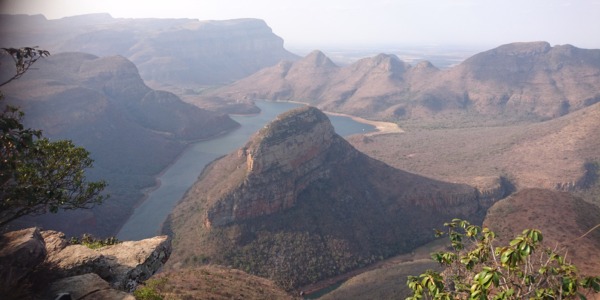
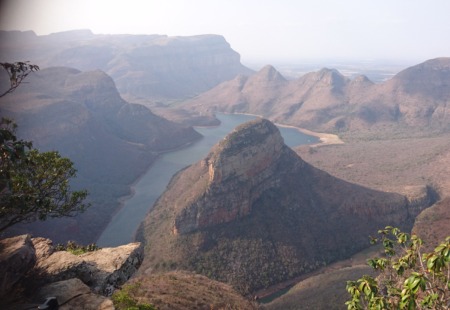
Panarama Route centred around the Blyde River Canyon, the world's third largest canyon. This area has spectacular waterfalls and scenery.
Read More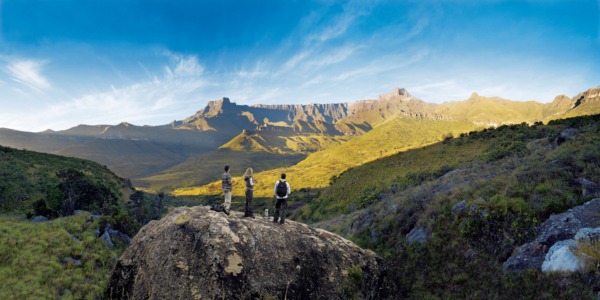
The largest mountain range in South Africa is a truly magical place.
Read More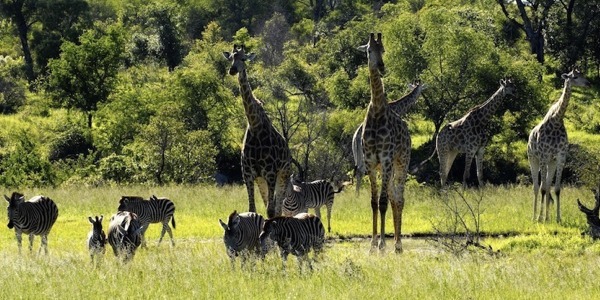
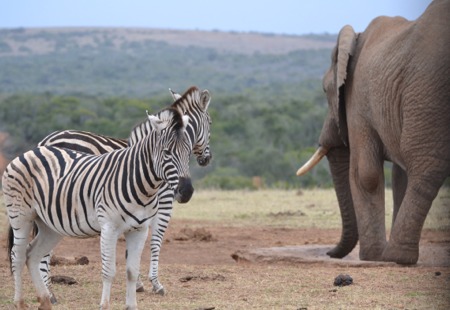
The world-renowned Kruger National Park offers a wildlife experience that ranks with the best in Africa. For wildlife this is a must destination.
Read MoreEntry and Exit Point Cape Town
The Western Cape is one of the most popular domestic travel destinations in South Africa preferred by foreign tourists. Entry and Exit Point Cape Town and Port Elizabeth
The Route is sandwiched between the mountains and the Indian Ocean, with mountain passes, linking the area with the arid Little Karoo. The indigenous forests are a unique mixture of Cape Fynbos and Temperate Forest and offer hiking trails and eco-tourism activities. Nearly 300 species of birdlife are to be found in a variety of habitats ranging from fynbos to forest to wetlands. 300-kilometre stretch of the south-eastern coast of South Africa which extends from Witsand in the Western Cape to the border of Tsitsikamma Storms River in the Eastern Cape. It includes towns such as Knysna, Plettenberg Bay, Mossel Bay, Great Brak River, Little Brak River, Wilderness, Sedgefield and Nature's Valley. George, the Garden Route's largest city and main administrative centre. Albertinia, Riversdale, Heidelberg, Ladismith, Calitzdorp, Oudtshoorn, De Rust and Uniondale have been linked to the Garden Route.
Entry and Exit Point Durban and Port Elizabeth
The Wild Coast is a section of the coast of the Eastern Cape. The region stretches from East London in the south to the border of KwaZulu-Natal in the north. It is the traditional home of the Xhosa people, and the birthplace of many prominent South Africans, including Nelson Mandela and Thabo Mbeki. Many rivers empty into the sea along the Wild Coast. In the southern-most parts of the region, where the hills are lower, the rivers tend to be mature and are characterized by wide floodplains. But in the rugged north, where young rivers find their path to the sea blocked by massive cliffs, many, like Waterfall Bluff, leap over the rocky crags into the surf below. The Wild Coast Jikeleza Route near East London is host to many scenic sights. The coastal village of Cintsa is a popular destination. Other popular towns and villages along the Wild Coast include Port St Johns, Coffee Bay, Hole-in-the-Wall, Qolora Mouth, Kei Mouth, Morgan Bay, and Haga Haga.
Entry and Exit Point Johannesburg
The Panorama Route is a scenic road in South Africa connecting several cultural and natural points of interest. The route, steeped in the history of South Africa, is in Mpumalanga province, centred around the Blyde River Canyon, the world's third largest canyon. It features numerous waterfalls, one of the largest afforested areas in South Africa and several natural landmarks. The route starts at the foot of the Long Tom Pass just outside Lydenburg, following the natural descent from the Great Escarpment to the Lowveld, and ending at the border of the Mpumalanga and Limpopo provinces near the Echo Caves.
Entry and Exit Point Durban and Port Elizabeth
The uKhahlamba-Drakensberg Park is home to 35 000 examples of San rock paintings and a huge diversity of protected plant and animal species. While there are many mountains in South Africa, KwaZulu-Natal's 200km long uKhahlamba-Drakensberg escarpment is by far the most impressive. With peaks that exceed 3000m, the Berg – as locals like to call it – forms the backbone of the Maloti-Drakensberg Transfrontier Conservation and Development Area between the Kingdom of Lesotho and South Africa. In winter, the mountains are dusted with snow, transforming designated slopes into a winter playground!
Entry and Exit Point Johannesburg and Durban
Where nearly 2 million hectares of unrivaled diversity of life forms fuses with historical and archaeological sights - this is real Africa. Truly the flagship of the South African National Parks, Kruger is home to an impressive number of species: 336 trees, 49 fish, 34 amphibians, 114 reptiles, 507 birds and 147 mammals. Man's interaction with the lowveld environment over many centuries - from bushman rock paintings to majestic archaeological sites

Willkommen bei Enchantment Tours und Travel Est. 2001 bieten private geführte Touren, Selbstfahrer-Touren, geführte Gruppen-Touren und Tagestouren im südlichen Afrika an.
Welkom bij Enchantment Tours and Travel Est. 2001 biedt privérondleidingen, selfdrive-rondleidingen, groepsrondleidingen en dagtochten in zuidelijk Afrika.
Bienvenue sur Enchantment Tours and Travel Est. 2001 offre des visites guidées privées, des tours en voiture, des visites guidées de groupe et des visites d'une journée en Afrique australe.
Welcome t Enchantment Tours and Travel Est. 2001 offer Private Guided Tours, Self Drive Tours, Guided Group Tours and Day Tours in Southern Africa.
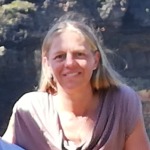
Anita is based in our Head Office in Jeffreys Bay, South Africa, she can assist you with bookings in English, Dutch, German and French.
Anita is dutch and moved to South Africa in 2000.
Enchantment Tours, Establishes 2001, offers Guided and Self Drive Tours in Southern Africa, Anita will assist you in English, Dutch, German or French.
30 Dogwood Circle, Jeffreys Bay, South Africa
+27 (0) 722 377 422
© 2020 Enchantment Tours. All Rights Reserved.
Partner Site.
JBay Cabs - Jeffreys Bay Info - Wacky Wipeouts - Enchantment Tours - Booking South Africa - Adventures Jeffreys Bay - Addo Transfers
Dolphin View Guesthouse - Port Elizabeth Info - Addo South Info - Jeffreys Bay Deliveries


